Does Islam believe in Jesus? Yes—Islam does believe in Jesus, whose Arabic name is Isa (عيسى). Muslims respect him as a great prophet and messenger of God and affirm his virgin birth and his miraculous works and await his coming before the Day of Judgment. His divinity and the account of his crucifixion is not accepted by Islam, though.
Many wonder does Islam believe in Jesus, and the answer surprises them. The question “does Islam believe in Jesus” has a clear answer. Muslims do not reject Jesus and make him irrelevant as it is done by some of them. Quite the contrary, belief in Jesus is an important aspect of his/her faith in a Muslim. He is revered, he is mentioned in fifteen chapters of the Quran, and he is referred to other places.
However, Islamic beliefs about Jesus are in contrast to Christianity. Such distinctions are profound and even more precise, reaching into the very depths of the theology of each tradition, its idea of salvation, and the vision of the end of times.
This article describes the Islamic teachings about Jesus: his identity, birth, his miracles, the crucifixion assertion, his claim as a messianic figure, and his second coming. We also dispels commonly held misconceptions, provides direct Quranic texts, and indicates where Islam and Christianity concur or differ in their ways along the way. Understanding does Islam believe in Jesus opens doors for meaningful interfaith dialogue.
The article represents the mainstream Islamic teachings. Depending on personal Muslims can have different interpretations. To be sure, refer to the services of learned scholars.
Fast Response — Does Islam Believe in Jesus? What Muslims Think
Does Islam believe in Jesus? According to Muslims, Jesus was among the most powerful messengers of God. The Quran refers to him as Isa ibn Maryam (عيسى ابن مريم), which means, in English, Jesus, Son of Mary, who, through an amazing miracle, was born of the Virgin, and who, in doing wonderful miracles, was appointed to the name Al-Masih (المسيح) (the Messiah). Do Muslims believe in Jesus? Absolutely—he is central to Islamic faith.
What is written in Quran states: Say: We believe in God and what has been revealed to us and to Abraham, Ishmael, Isaac, Jacob and their families and all that has been given to Moses, Jesus, and all other prophets by their Lord. We do not differentiate them in any way – we submit to Him. The excerpt recaps the opinion of Islam.
This verse illustrates precisely the way in which the Muslim view of Jesus is understood: respected and admired, yet a human prophet in the history among prophets- never regarded as a divine. How is Jesus viewed in Islam becomes clear through this verse.
Who Is Jesus in Islam? Understanding Isa in Islamic Tradition
To answer does Islam believe in Jesus fully, you must understand his identity within the Islamic perspective of the world. His identity has a specific theological charge that is not consistent with the Christian perception but still garners high reverence that usually catches non-Muslims off guard.
Arabic Term Glossary
| Term | Arabic | Pronunciation | Meaning |
| Isa | عيسى | EE-sah | Jesus |
| Ibn Maryam | ابن مريم | ibn MAR-yam | Son of Mary |
| Al-Masih | المسيح | al-ma-SEEH | The Messiah |
| Nabī | نبي | na-BEE | Prophet |
| Rasūl | رسول | ra-SOOL | Messenger |
| Maryam | مريم | MAR-yam | Mary |
| Tawhid | التوحيد | taw-HEED | Oneness of God |
| Shirk | شرك | shirk | Associating partners with God |
| Injil | إنجيل | in-JEEL | Gospel |
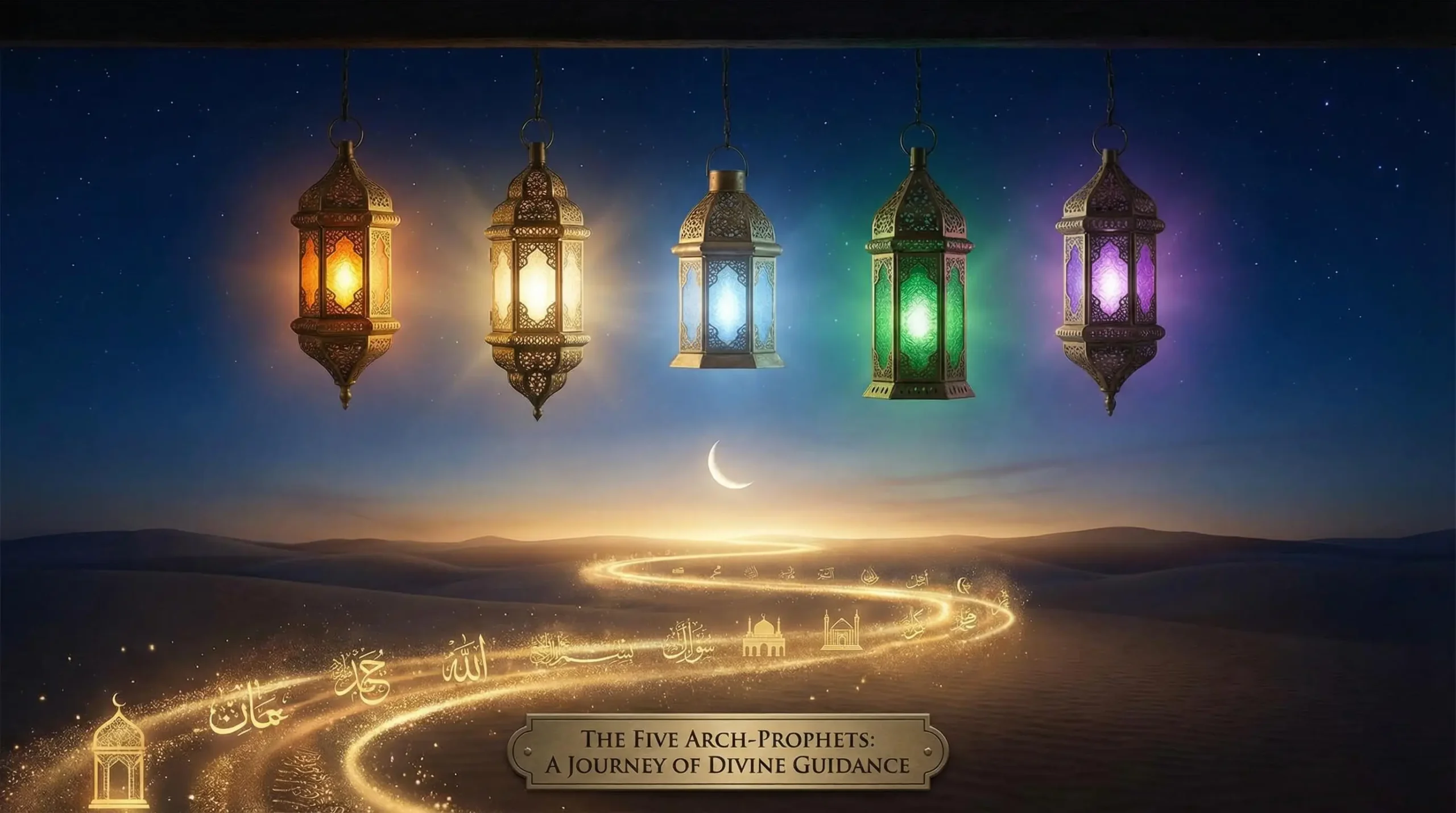
Why Is Jesus Called Isa? Etymology and Meaning
People always tend to question the use of Isa by Muslims instead of Jesus. Why is Jesus called Isa in Islam? The Arabic version in the Quran is Isa (عيسى). Its language path is not similar to the Hebrew Yeshua, the Greek Iesous, the Latin Iesus and English, Jesus. The origin of the Arabic name is a point of contention among scholars: some think that it has its roots in the Syriac Christian populations preceding Islam, others that it was the result of a divine revelation, a fact that goes in line with the uniqueness of the Quran language. In any case, he is habitually mentioned in the Quran as Isa ibn Maryam (عيسى ابن مريم)- Jesus the son of Mary, emphasizing his virgin birth and that he was human. This naming convention helps explain how does Islam believe in Jesus within its own linguistic framework.
Is Jesus a Prophet in Islam? His Role as Messenger
Understanding does Islam believe in Jesus requires examining his prophetic status. Islam makes a distinction between Nabī (نبي) (prophet) and Rasūl (رسول) (messenger). A prophet is given divine directions; a messenger is given guidance and a scripture to be delivered. Is Jesus a prophet in Islam? Yes—Jesus holds both titles. He is a Rasūl dispatched to the Children of Israel bearing the Injil (إنجيل) (Gospel) as the revealed text, which puts him next to Moses, Muhammad, etc. He is one of the five most important messengers in the prophetic world- Noah, Abraham, Moses, Jesus and Muhammad. According to a Hadith, Muhammad states that he is the most proximate to Jesus, son of Mary in this world and in the hereafter. The prophets are fraternal twins; they have other mothers, but share a single religion. This Hadith confirms that does Islam believe in Jesus—absolutely, as a prophetic brother. Do Muslims believe in Jesus as a prophet? Without question.
Jesus Born of a Virgin in Islam: The Miraculous Birth
The Quran highlights the birth of Jesus more as the indication of the power of God, similar to the Christian stories but with some unique details. What does Islam say about Jesus’s origins?
The account of the birth of Jesus in Islam bears some startling similarities with the Christian one – and a few unique details. Jesus born of a virgin in Islam is one of the great signs of the power of God. The Quran gives significant coverage to this occurrence.
Maryam (Mary) in the Quran: Mother of Jesus in Islam
The role of Mary (Maryam – مريم) in Islam is surprisingly high as per the Christians. She is the woman whose name appears in the whole Quran. Chapter 19, Surah Maryam is named just after her name, a fact that no other woman and only few men in the book share.
Maryam (مريم) was selected as follows:
And [say] when the angels told, O Mary, surely God has chosen you, cleansed you and elevated you above all women in the worlds. O, Mary, be sweetly obedient to your Lord, prostrate thyself, and be one with those who prostrate.
The line about being chosen out of all the women of the worlds is fantastic. It is always interpreted by Islamic scholars to translate to the fact that Maryam is the most privileged woman in the history of women. The way she was so pious, devoted and willing to give her submission to the will of God makes her a role model both to male and female believers.
The Quran describes the foster care of Prophet Zachariah in which Maryam was brought up in the temple, the miraculous food given to her and the dedication of Maryam to worship. Mary’s story demonstrates how does Islam believe in Jesus through honoring his mother.
Also Read: Why Do Islamic Women Wear a Hijab?
The Way Islam Explains the Conception of Jesus
The truth of the Annunciation scene in the Quran is similar to the Gospel of Luke in a number of aspects but has different theological overtures. Jesus born of a virgin in Islam is explained through divine revelation.
The angel said, I am just the messenger of thy Lord to bring thee tidings of a pure boy. She answered, how can I have a boy when so no man has touched me, and I have been unchaste! Thus, he said, it shall be; and your Lord says, It is not hard with Me, and We will make him a sign unto the people and mercy out of Us. And already determined is a thing.
John of the Cross has the Quran stating that Jesus was a Kalima (كلمة) (word) of God and a Rūḥ (روح) (spirit) of God. These words have brought forth a lot of scholarly commentary. The classical exegete Mahmud al-Alusi clarified the meaning of Kalima (word of God) to mean Jesus creation via a command of God, God said be and he was not to mean that he was divine. The Rūḥ (spirit) terminology emphasizes his miraculous nature.
Islam compares the creation of Jesus and Adam: the example of Jesus to God is similar to that of Adam. He fashioned him out of dust; thereupon He told him, Be, and he was (Quran 3:59). Adam, like Jesus, was created miraculously by God’s command.
This verse has theological meaning. It reasons that in case the miraculous creation by Jesus presupposes divinity, then Adam, who was created without any parent, would have an even better case of being divine. No one states so of Adam, so the argument goes, the miraculous birth is not sufficient to prove divine nature. This comparison shows that does Islam believe in Jesus as miraculous but human.
In the case of Interfaith Understanding: Christians and Muslims also both accept the virgin birth of Jesus, an important fact of similarity rarely noticed. Jesus born of a virgin in Islam is a shared belief. The recognition of this shared belief opens a platform upon which further and more useful discussion can be done regarding areas of divergence between the two traditions. This represents important common ground in interfaith dialogue.
Do Muslims Believe Jesus Performed Miracles? Islamic Teachings
Does Islam believe in Jesus performed miracles? According to the Quran, Jesus is credited with extraordinary miracles more so than the other prophets. Do Muslims believe Jesus performed miracles? Absolutely. But all these miracles are pre-qualified by Islam: by the permission of God (bi-idhni’Llah – بإذن الله). This term itself is repeated and has a certain theological purpose in it assigning supreme power to God only, but does not refer to Jesus.
Miracles of Healing Found in Quran
And [the Day] on which God shall say, O Jesus, Son of Mary, remember My favour unto you and unto thy mother when I sustained you with Pure Spirit and you spoke to the people in the cradle and in maturity; and remember when I taught you writing and wisdom and the Torah and the Gospel; and when you made out of clay the form of a bird with my permission, and you breathed into it and it became a bird with my permission; and you healed the blind and the leper with my permission; and when you brought forth the dead with my permission;
What miracles did Jesus perform in Islam? The Islamic tradition singles out a number of particular miracles based on this verse:
– Communicating as a baby in his cradle in his defense of his mother.
– Healing the blind, opening the eyes of those who were born blind.
– Healing the untreatable Curing lepers, curing leprosy itself.
– Reviving the dead, resuscitating dead people.
– Awareness of the invisible- informing people what they were eating and keeping at home (Quran 3:49).
Each miracle affirms that does Islam believe in Jesus wielded divine-granted powers. Do Muslims believe Jesus performed miracles? The Quran makes this abundantly clear.
What Miracles Did Jesus Perform in Islam: The Clay Birds
Among the many miracles that Jesus was said to have performed in the Quran, one of them is particularly interesting since it is not mentioned in the four canonical books of the Christian religion: the one about Jesus making birds of clay and breathing life in them.
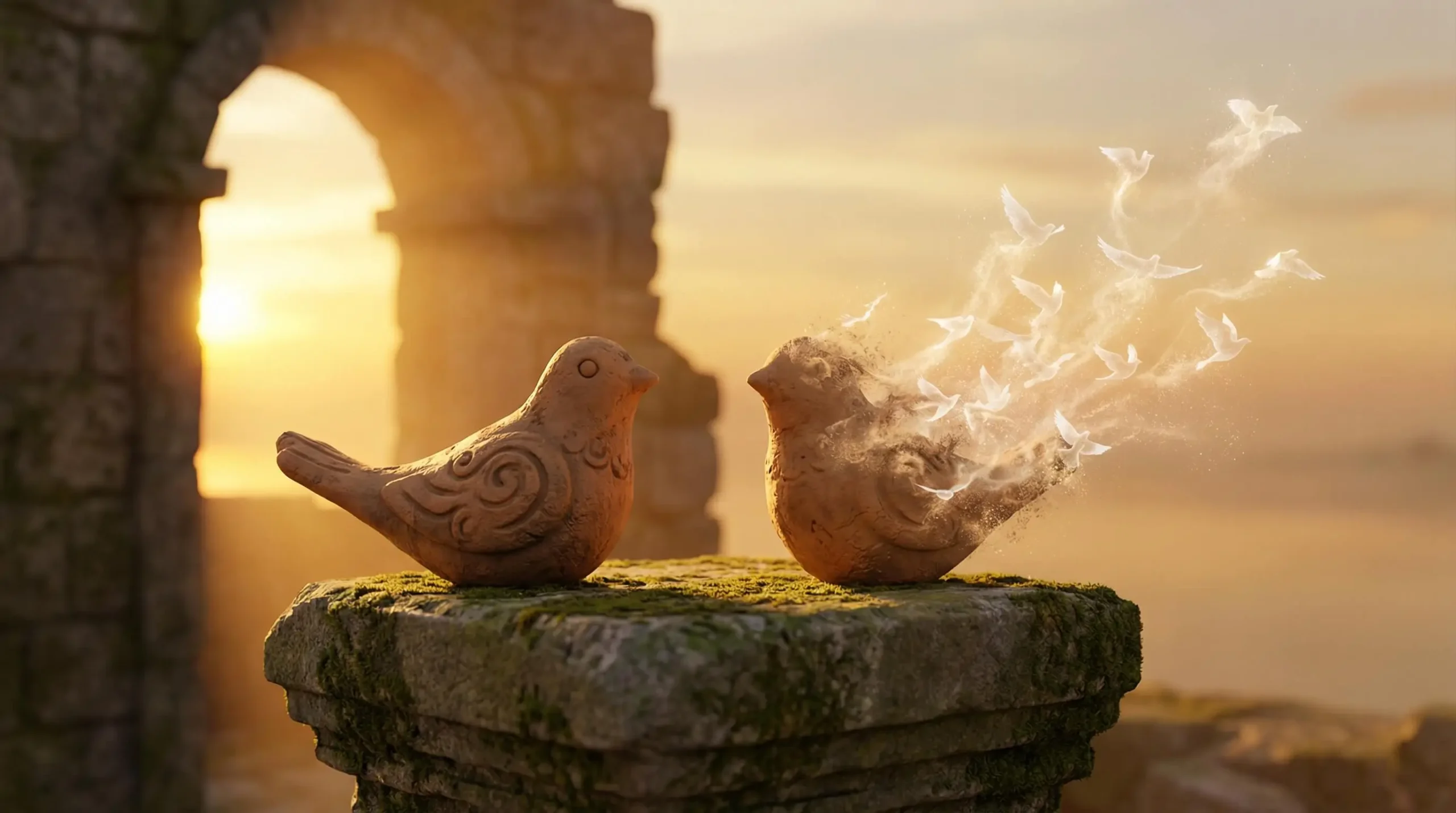
This miracle does have an appearance in non-canonical early Christian literature, in the Infancy Gospel of Thomas. The fact that this narrative is contained in the Quran has attracted the attention of the scholars of both religious traditions, and the issue of how this text was transmitted, as well as the oral traditions of pre-Islamic Arabia.
According to the Islamic meaning, this miracle supports the exceptional prophetic position of Jesus in Islam, at the same time underlining the sovereignty of God. Jesus molds the clay, however it is the will of God that breathes life into it. The creative ability is the prerogative of God. What miracles did Jesus perform in Islam demonstrates his prophetic status.
Is Jesus the Messiah in Islam? Understanding Al-Masih
This question is sometimes startling to both sides of the discussion. Does Islam believe in Jesus as the Messiah? Yes, the Quran explicitly and many times refers to Jesus Al-Masih (المسيح) -the Messiah. In the Quran, this title is used eleven times, but it is each time used in reference to Jesus. The Muslim view of Jesus includes this messianic title.
What “Al-Masih” Means in Arabic
Al-Masih (المسيح) (Arabic) is equivalent to Hebrew Mashiach (Messiah) and has the literal meaning of the anointed one or of the traveller (according to which scholars of Arabic roots stress, from masaha – مسح, meaning to wipe or touch).
According to Islamic scholarship, there are several meanings to the fact that Jesus has this title:
— At birth he was anointed with blessings.
— He would go around the earth disseminating the word of God.
– He had the ability to heal by touching people (Arabic root is masaha – مسح, wipe, touch)
The thing is that Islam does not doubt the messianic title of Jesus. According to the Quran, the Messiah, Jesus the son of Mary, was a mere messenger of God and his word which He sent to Mary and a spirit of him (Quran 4:171). Al-Masih remains his honored title.
The Differences between Islamic and Christian Definitions
The Messiah can be regarded as the divine savior, God incarnate who redeems humankind through his sacrificial death and resurrection in Christianity. Divinity, atonement, and salvation cannot be separated with the messianic role.
The Messiah is a human prophet who has extraordinary mission in Islam. The title of Jesus in relation to the other prophets, the miraculous birth, the mighty miracles, the eschatological coming back, does not suggest something divine. The Muslim view of Jesus as Al-Masih differs fundamentally from Christian understanding.
This difference is of vast importance. The same word can be used by two traditions to denote totally different things. The awareness of this helps to avoid the misconception that the same words imply the same theology. How is Jesus viewed in Islam regarding his messianic role requires this understanding.
To interfaith comprehension: When a Muslim asserts that Jesus is the Messiah and a Christian asserts that Jesus is the Messiah, then they are making very different theological profiles. Efficient interfaith dialogue presupposes an idea of what each tradition transmits by the word, not the fact that they both speak the word.
Does Islam Believe Jesus Was Crucified? The Islamic View
This is the point of the sharpest departure of Islamic and Christian theologies. Does Islam believe Jesus was crucified? Jesus Christ crucified is central in the faith of Christians- the sacrifice of atonement in which humankind will be saved. Islam does not accept this occurrence.
The Quranic Stand on the Crucifixion
One of the best-renowned verses of interreligious discourse in the Quran concerns the crucifixion. What do Muslims believe about Jesus death?
And to their words they said, we have indeed killed the Messiah, Jesus, the son of Mary, the messenger of God. And were they not to kill him, nor crucify him; but [another] was fashioned, to seem unto them. And those there who disagree across it are uncertain concerning it. They are not aware of it save in the following of assumption. And they were not going to kill him, sure. Instead, God elevated him to himself. And always is God Acclaimed in Power and prudent. (Quran 4:157-158)
There are three assertions in this passage:
- Jesus was not killed
- Jesus was not crucified
- God raised Jesus to Himself
It is also written in the verse that men who purported to have crucified Jesus were deceitful- another was made like him to them. This verse shows that while does Islam believe in Jesus, it rejects his crucifixion. Does Islam believe Jesus was crucified? The Quran clearly says no.
The Theory of Substitution Explained
The best-known mainstream Muslim approach to the interpretation is the theory of replacement (al-shubha lahum). This perspective argues that God replaced Jesus with another being at the crucifixion; the one that was made to resemble Jesus.
Who was the substitute? The Islamic tradition has a number of possibilities:
- A disciple who went and offered his place voluntarily to Jesus.
- Judas Iscariot changed to make him look like Jesus as a punishment by God to betray Jesus.
- A Roman soldier, or passer by, changed in appearance.
- Unrecognisable person there by some divine command.
The Quran does not identify the identity of the substitute, and there is a scholarly divide. The one thing that is common in the mainstream Islamic interpretation is this: the crucifixion of Jesus himself did not occur. The substitution theory explains how does Islam believe in Jesus survived. What do Muslims believe about Jesus death centers on this interpretation.

The Swoon Theory
A minority view, the most widely known being that of the Ahmadiyya tradition, a follower of which is Mirza Ghulam Ahmad established in the late 19th century, is that Jesus was put to death on the cross, but did not actually die, instead fainting (swooning) and coming to himself. This opinion holds that Jesus was later on revived, healed his wounds, and that he later traveled to the east, where he spent his natural life.
This view is also known as the swoon theory, and was pre-Ahmadiyya. In the Western biblical criticism, but not in the Islamic exegesis, the same idea was advanced by German theologian Heinrich Paulus in the early 19th century.
It should be mentioned that the Sunni and Shia scholarly mainstreams do not accept the swoon theory. The majority of Muslim scholars hold onto the substitution interpretation as the right interpretation of Quran 4:157. Does Islam believe Jesus was crucified remains answered: no, according to mainstream Islam.
Theological Implications of This
The crucifixion issue is not a trifle historical dispute. It symbolizes radically contrasting conceptualizations of the way God related to his prophets. What do Muslims believe about Jesus death reflects their understanding of divine protection.
In Christianity, the crucifixion is not meaningless- it is the work of God to save people, sacrifice that is needed to pay off sin and save humankind. Christianity cannot exist without the cross.
The Islamic faith would not permit a lovely prophet to be tortured and murdered by his enemies, as it would be against the protecting nature of God with his messengers. In the Quran there are numerous statements that God safeguards and rewards his prophets. Spending time lifting Jesus to the heavens in the presence of his adversaries will not do well in this theological pattern.
The theological distance between these stands, as has been pointed out by scholar James D. Tabor in The Jesus Dynasty, is enormous,–perhaps the one point of departure of the two traditions. Does Islam believe Jesus was crucified? No—and this represents fundamental theological divergence.
Do Muslims Believe in the Resurrection of Jesus?
Does Islam believe in Jesus rose from the dead? No, because Islam denies the crucifixion. Since Islam does not believe in the crucifixion, it stands then that the bodily resurrection which is the foundation of Christian faith belongs nowhere in the Islamic theology. Do Muslims believe in the resurrection as Christians understand it?
The Reason Why the Resurrection Is Not a Component of Islam Belief
Without the death Jesus was crucified, there is nothing to bring back to life. According to Islam, God sent Jesus back to life by raising him into heaven where he will stay till his predetermined coming. Do Muslims believe in the resurrection? Not in the Christian sense.
But the lack of resurrection in Islamic theology is deeper than logical consequence. It portrays a radically new concept of salvation. What do Muslims believe about Jesus death and resurrection differs entirely from Christian doctrine.
In Christianity, resurrection shows that Jesus conquered sin and death, which provides the believer with the promise of eternal life upon believing in him.
Salvation in Islam is on totally different grounds. Everyone is answerable to God on his or her actions. No idea of original sin that needs redemption by the sacrifice of a savior. The Day of Judgment is the measurement on the scale of justice and mercy of God of the deeds of each, whether those deeds were in form of prayers or charity, or moral behavior.
According to what John Esposito describes in his What Everyone Needs to Know About Islam, Islamic salvation theology has its focus on personal responsibility and mercy of God instead of vicarious atonement. The position of Jesus in Islam is the one of a mentor and prophet, rather than a redemptive sacrifice.
Is Jesus Considered God in Islam? Why Muslims Say No
This issue of Jesus being God is the greatest theological rift between Islam and Christianity. Is Jesus considered God in Islam? Islam does not simply differ with the doctrine, but it feels that terming any created object as God is the greatest mistake of all. Do Muslims believe Jesus is the son of God? No.
Tawhid (التوحيد): The Unconditional Unity of God
Theology of the Islam revolves around the Tawhid (التوحيد) (tow-HEED) – absolute uncompromising oneness of God. It is not just general monotheism. Tawhid refers to God as being one in his essentials, properties and his right to worship. Nothing is like Him or close to His nature, or can be written of as being in any relationship with Him.
This idea is expressed in Surah Al-Ikhlas, which is one of the shortest and the most repeated chapters of the Quran:
“Say, ‘He is God, [who is] One. God, the Eternal Refuge. He neither begets nor is begotten, nor is there to Him any equivalent'” (Quran 112:1-4)
The thing is that when the phrase “He neither begets nor is begotten” is used, it is a direct rejection of the idea that God has a son. Do Muslims believe Jesus is the son of God? This verse is a convincing answer: no. Tawhid explains why does Islam believe in Jesus only as human prophet. Is Jesus considered God in Islam? The concept of Tawhid makes this impossible.
The Idea of Shirk (شرك) – Identifying Partners with God
Shirk (شرك) – giving partners to God- is the sin that God will never forgive when an individual dies before repenting. According to Quran, God is not forgiving of association with Him, but He forgives less than that of those against whom He wills (Quran 4:48).
According to Islam, it is shirk to say that Jesus is God or son of God. It is not a trifling dispute but it is a considerable breach of the most significant idea in faith. Do Muslims believe Jesus is the son of God? To affirm this would be shirk—the gravest sin.
The Muslims differentiate between a claimant (who might be a good man) and the claim (which is incorrect theologically in the eyes of Islam). This difference is important to the respectful interfaith dialogue. Is Jesus considered God in Islam? Understanding shirk answers this question definitively.
What Quran Says Regarding the Trinity
The Quran covers the Trinity evidently. These verses clarify that does Islam believe in Jesus but not in Trinity:
“They have grievously erred that say, God is the third of three. And there is no god like to Allah one God” (Quran 5:73).
It further adds, “O People of the Scripture, do not overstep in your religion or speak about God other than the truth. Jesus, the son of Mary was a messenger of God and His word which He sent to Mary and a spirit of Him. So have faith in God and his messengers. And do not tell me, three; cease, thou had better cease. Indeed, God is but one God. He is too exalted to possess a son” (Quran 4:171).
The scholars argue whether the description given in the Quran is equivalent to the orthodox Christian Trinity or a variant of tritheism of pre-Islamic Arabian Christians. The bottom line is that Islam does not accept any idea that puts to test the absolute oneness of God. Do Muslims believe Jesus is the son of God? The Trinity rejection answers this conclusively.
Does Islam Believe in Jesus Second Coming? Islamic Eschatology
Does Islam believe in Jesus second coming? In this case the two traditions meet each other in an amazing manner. Islam believes that Jesus will come returning to the Day of Judgment, a doctrine which is similar to the Christian belief about the Second Coming, except that the details are different. Do Muslims believe Jesus will return? Yes, definitively.
The Islamic Tradition of Jesus Returning
Does Islam believe in Jesus will return? Jesus is possibly hinted to have returned in the Quran: “And surely Jesus will be a sign of the Hour, so do not doubt it” (Quran 43:61). Majority of the descriptive account is based on the writing of Hadith (prophetic traditions attributed to Muhammad). What does Islam say about Jesus’s future role?
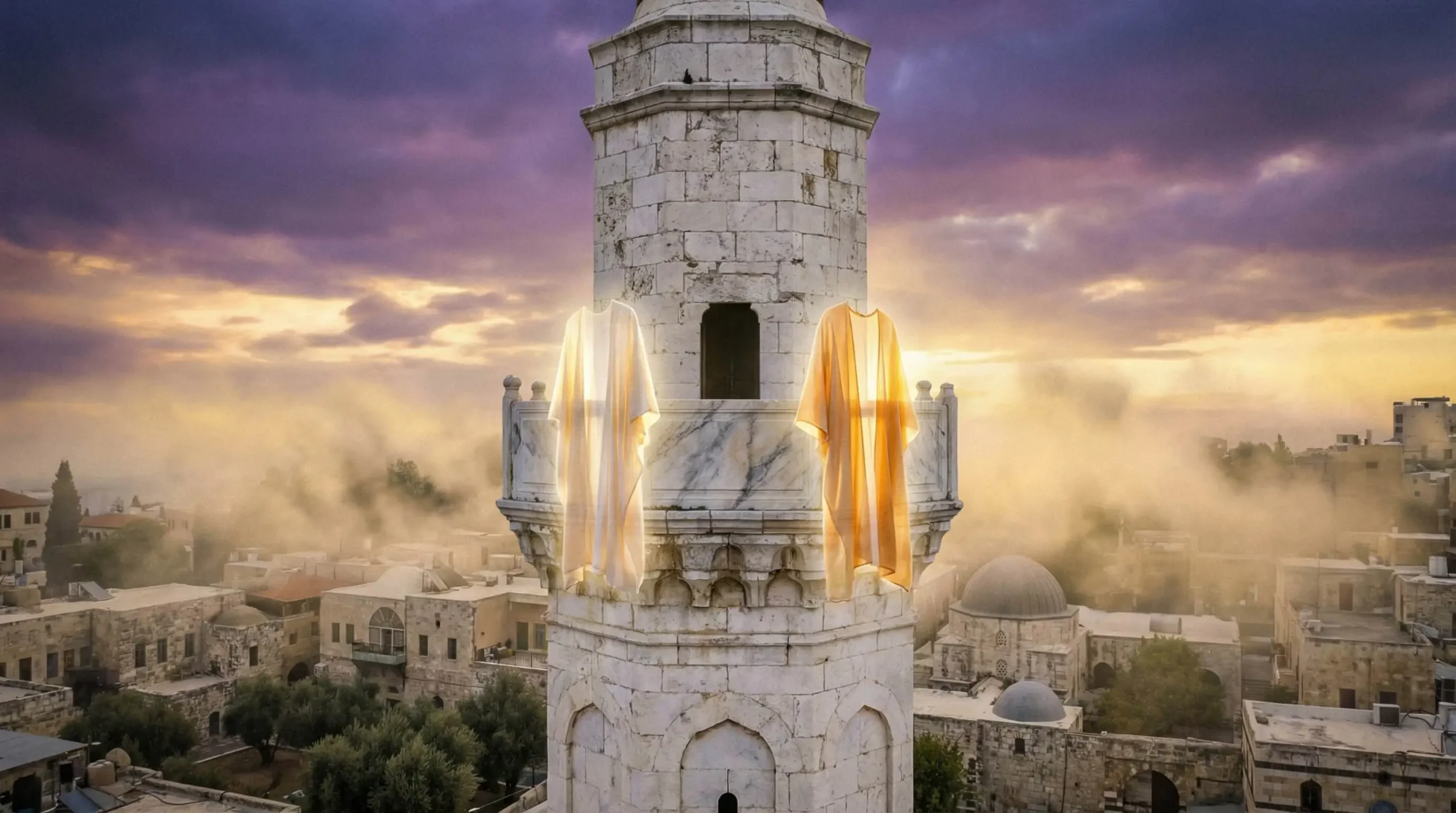
These Hadith traditions tell that Jesus will come down out of heaven in a white minaret at the east of Damascus, and that he will put on two saffron-stained robes and that he will lay his hands on the wings of two angels. Do Muslims believe Jesus will return in this manner? The Hadith literature confirms this.
The Mission of Jesus Upon His Return
Hadith texts include certain actions. Does Islam believe in Jesus second coming includes these specific missions:
- Slay Al-Dajjal (الدجال) (the False Messiah), an end times liar and corruptor.
- Strike the cross, in symbolic correction of the belief of his crucifixion.
- Slaughter the swine, and end practices that are against the divine law.
- Get rid of jizyah (جزية) (taxation on non-Muslims) on the one hand, since everyone will accept a single faith.
- Golden times of justice, a reign of forty years peace and justice.
- Have children and marry, and lead a normal human life.
- Die a natural death and get buried in Medina beside the Prophet Muhammad.
The final aspect is an important one: Jesus will die a natural death, the one that he was spared in the crucifixion. Even in the eschatological story his death is confirmed. This mission confirms does Islam believe in Jesus plays crucial end-times role. Do Muslims believe Jesus will return? The eschatology is clear on this point.
Disagreements with Christian Second Coming Beliefs
The following table summarizes does Islam believe in Jesus second coming compared to Christianity:
| Aspect | Islamic Belief | Christian Belief |
| Purpose | Conquer Al-Dajjal, establish justice | Final judgment, establish God’s kingdom |
| Status on return | Returns as Muslim, follows law of Muhammad | Returns as divine King and Judge |
| Duration | Lives approximately 40 years | Eternal reign |
| Death | Natural death, burial at Medina | Lives forever |
| Judging role | Witness, not judge | Supreme Judge of all mankind |
Interfaith Understanding
The common ground is unanticipated because of the shared belief on the return of Jesus. Although the specifics may vary, the two traditions expect Jesus to play a key role in the final chapter of humanity. Does Islam believe in Jesus second coming? Yes—and this mutual expectation may serve as a mediating factor and not an obstacle of interreligious dialogue.
How Is Jesus Viewed in Islam vs Christianity? Beliefs Compared
The following table summarizes does Islam believe in Jesus compared to Christianity. This reveals a concise one on one comparison of the two traditions regarding major beliefs regarding Jesus:
| Belief | Islam | Christianity |
| Existence | Historical person, fully affirmed | Historical person, fully affirmed |
| Divine Status | Prophet and messenger only, complete human being | God incarnate, complete divine and complete human being |
| Virgin Birth | Accepted | Accepted |
| Miracles | Confirmed (by the will of God) | Confirmed (by divine power) |
| Title of Messiah | Confirmed (different meaning) | Confirmed (divine savior) |
| Crucifixion | Repudiated—Jesus was not crucified | Central doctrine—sacrificial death |
| Resurrection | Not applicable—Jesus did not die | Core belief—rose on the third day |
| Ascension | Affirmed—ascended with his body to heaven | Affirmed—ascended after resurrection |
| Second Coming | Will come back before Judgment Day | Will come back in glory |
| Savior/Redeemer | Not applicable—no vicarious atonement | Central identity—savior of humanity |
| Connection to God | Servant and messenger of God | Son of God, second person in Trinity |
| Scripture | Was given the Injil (Gospel) | New Testament is the record of his life and teachings |
This analogy presents a subtle image. Islamic beliefs about Jesus and Christian beliefs are closer together than many believe. Virgin birth, miracles, messianic title, ascension, and the Second Coming are all present. However, the lapses in divinity, crucifixion, and resurrection are absolute. How is Jesus viewed in Islam becomes clear through this comparison.
Common Misconceptions: What Do Muslims Really Believe About Jesus?
The failure to understand the Islamic perspective on Jesus continues to exist on either side of the religious spectrum. The response to them directly creates an understanding and trust in interfaith dialogue.
Misconception 1 — Muslims Reject Jesus Completely
Fact: The greatest misconception is that “does Islam believe in Jesus” is false—they absolutely do. He is one of the five greatest messengers that Islam respects. The Quran talks of Jesus with honor and respect at all times. The people who reject the prophethood of Jesus have crossed the frontiers of Islamic faith. Do Muslims believe in Jesus? Without question.
The misunderstanding is caused by the fact that Islam does not deny Jesus but certain Christian beliefs about Jesus, his divinity, his crucifixion and his resurrection. It is one thing to disagree with theological assertions against a figure, and another one thing to deny that figure. The comparison chart demonstrates that does Islam believe in Jesus shares common ground with Christianity.
Misconception 2 — There Is Nothing in Common Between Islam and Christianity About Jesus
Fact: The comparison chart demonstrates that there is a lot of similar ground regarding Islamic beliefs about Jesus and Christian beliefs. The things that are common are virgin birth, miracles, messianic title, ascension, and the future coming. These are theological statements of a major nature and not minor details. Jesus in Islam and Jesus in Christianity share these elements.
The dissimilarities are actual and pronounced, though it is factually inaccurate to say that the two traditions share nothing in common concerning Jesus.
Misconception 3 — Muslims Do Not Respect Mary
Fact: Maryam (مريم) (Mary) is the most revered woman in the Islamic faith. Her name is given to one whole chapter in the Quran—Surah Maryam (Chapter 19). She is referred to as having been selected above the women of the worlds. Her chastity, religion and strength in carrying Jesus without father in a judgmental society are glorified all over the Islamic books.
In reality, Maryam is mentioned by name 34 times in the Quran, significantly more frequently than in the New Testament where she appears approximately 19 times.
Complete Reference of Quranic Verses (About Jesus)
For researchers, students and any other interested in the primary source material on the topic, is Jesus mentioned in the Quran? Yes, extensively. Here is an ordered listing of the major Quranic allusions to Jesus organized by theme.
Birth and Annunciation:
- Quran 3:42-47—the angel tells Mary about the birth of Jesus.
- Quran 19:16-35—Detailed birth story in Surah Maryam.
- Quran 3:59—compared creation of Jesus to that of Adam.
Miracles:
- Quran 5:110—Complete account of miracles of Jesus.
- Quran 3:49—speak, healed, raised the dead, speaking in the cradle.
Identity and Status:
- Quran 4:171—The Messiah, Jesus the son of Mary was only an agent of God.
- Quran 3:84—Muslims believe in every prophet such as Jesus.
- Quran 5:75—The Messiah, son of Mary, was no more than a messenger.
Crucifixion and Ascension:
- Quran 4:157-158—Negation of crucifixion, affirmation of ascension to heaven.
Divinity Rejection:
- Quran 5:72-73—Denial that Jesus is divine and that he is Trinity.
- Quran 112:1-4—the absolute oneness of God, He neither begets nor is begotten.
- Quran 5:116—Jesus did not command people to worship him.
Second Coming:
- Quran 43:61—Jesus as an omen of the Hour.
Disciples:
- Quran 3:52-53—Jesus disciples (Al-Hawariyyun – الحواريون) proclaim their faith.
- Quran 5:112-115—The Table Spread Miracle demanded by followers.
Is Jesus mentioned in the Quran? It is based on these sources that one can give any serious study of the appearance of Jesus in the Islamic scripture.
Frequently Asked Questions
Does Islam Believe in Jesus? Are Muslims a Believing People of Jesus Christ?
Does Islam believe in Jesus? Yes. Muslims believe in the fact that Jesus (Isa – عيسى in Arabic) was one of the greatest prophets and messengers of God. The faith in Jesus is an essential element of the Islamic faith—no one can be termed as Muslim without acknowledging his prophethood. Do Muslims believe in Jesus? Absolutely. Nonetheless, Muslims do not hold Jesus to deity, nor do they accept the title of Christ as it is used in the theology of Christianity, of a divine savior. Do Muslims worship Jesus? No—they revere him as prophet only.
Is Jesus Mentioned in the Quran?
Yes, extensively. In the Quran Jesus is mentioned in fifteen chapters, which are known as Isa ibn Maryam (عيسى ابن مريم) (Jesus son of Mary) and Al-Masih (المسيح) (the Messiah). He is referred to by name about 25 times and so he is one of the most commonly mentioned characters in the text. Is Jesus mentioned in the Quran? The evidence is abundant.
Why Is Jesus Called Isa in Islam?
Why is Jesus called Isa? The Arabic translation of the name of Jesus found in Quran is Isa (عيسى). The linguistic evidence of the linguistic evolution of Hebrew Yeshua into Arabic Isa has elicited academic controversy, including hypotheses of Syriac intermediaries and direct revelation in the Quran. The etymological questions are investigated in detail by Geoffrey Parrinder in his book Jesus in the Quran. Why is Jesus called Isa remains a topic of scholarly interest.
Do Muslims Believe Jesus Performed Miracles?
Yes. Do Muslims believe Jesus performed miracles? The Quran includes various other supernatural miracles that Jesus did, including healing the blind and lepers, resurrection of the dead and Jesus breathing life upon clay birds. What miracles did Jesus perform in Islam? All miracles are prefixed with the words “by the permission of God” (bi-idhni’Llah – بإذن الله) making it clear that the working power of the miracles was that of God rather than that of Jesus alone.
What Do Muslims Believe About Jesus Death?
What do Muslims believe about Jesus death? According to the Muslims, Jesus was never crucified. Does Islam believe Jesus was crucified? No. The Quran explains that God brought him alive to heaven and a man was created to resemble him to mislead those who believed that they killed him. The popular Islamic opinion is that Jesus is alive in heaven, and will come back to earth before the Day of Judgment. Then, he will lead a normal life and will die a natural death.
Do Muslims Believe Jesus Will Return?
Yes. Does Islam believe in Jesus second coming? According to Islamic doctrine, Jesus will come down to earth before Judgment Day. Do Muslims believe Jesus will return? He will overthrow the False Messiah (Al-Dajjal – الدجال), reign on Earth for approximately forty years, and then he will die a natural death. The coming of his second coming has been regarded as one of the greatest indicators of the end times.
Is Jesus Considered God in Islam?
No. Is Jesus considered God in Islam? Islam is a denial of the idea of Jesus being God. Do Muslims believe Jesus is the son of God? No. The most important principle is the absolute oneness of God (Tawhid – التوحيد). The Christian view of Jesus being given divine status even though he is a man is considered as shirk (شرك), the greatest theological sin. Is Jesus considered God in Islam? The answer is definitively no.
Do Muslims Believe Jesus Was Born of a Virgin?
Yes. Jesus born of a virgin in Islam is clearly affirmed. It is said in the Quran that Jesus was conceived by the Virgin Maryam (مريم) without any human father, as God decreed. This miracle birth is an indication of the power of God, and it is not an evidence of the divinity of Jesus. Jesus born of a virgin in Islam is not doubted by either Islam or Christianity.
Is Jesus Mentioned in the Quran? How Many Times?
The Quran refers to Jesus (Isa – عيسى) 25 times in 15 chapters. Is Jesus mentioned in the Quran? The descriptions of his mission and miracles also include such titles as Al-Masih (المسيح) (the Messiah) and Ibn Maryam (ابن مريم) (son of Mary).
Is Jesus a Sinless Person in the Eyes of Muslims?
Is Jesus a prophet in Islam who was sinless? Islamic thinkers have a general belief that prophets are immune to gross sins (ismah – عصمة). Jesus is also regarded by many people as sinless and many of them mention a Hadith saying that all children are touched by Satan at birth except Jesus and his mother and some scholars have used this as evidence that he was sinless.
Must Watch: NEW | The Story of Jesus (Eesa, peace be upon him) – Mufti Menk
Why It Matters to Learn About Islamic Beliefs About Jesus
Having 1.9 billion Muslims and 2.4 billion Christians coexisting in cities, schools, work places, it would be practical, urgent and important to learn how each religion perceives Jesus. Understanding does Islam believe in Jesus opens doors for meaningful interfaith dialogue. The misunderstandings cause suspicion. When the Christians are thinking that Muslims are not accepting Jesus or Muslims are thinking that Christians are worshiping more than one god (which would be shirk), the dialogue process collapses. It is no longer necessary to agree with each other on what they really teach but to know it honestly.
The Islamic image of Jesus in Islam occupies a special niche in the interfaith relations. Neither is it the wholesome embrace that Christianity anticipates nor the rejection that many non-Christians supposedly feel. It is an admirable piety towards Jesus as human prophet, with a sharp demarcation to the designation of deity. Do Muslims worship Jesus? No—but they deeply honor him. This complexity is worth being noticed. Being a Christian, who needs to understand a Muslim neighbor, being a Muslim who wants to explain your beliefs, and just being curious, the Islamic beliefs about Jesus provide a perspective that makes the clarification even deeper, even when it is contrary to expectations.
The two billions of each religion have one figure which they all respect—Jesus in Islam and Jesus in Christianity represent common ground. Starting with common respect, instead of the areas of conflict, can transform the way the largest religious groups of the world relate with each other through meaningful interfaith dialogue.
Understanding does Islam believe in Jesus is essential for our interconnected world.