

99 Names of Allah
( Tilawat )
Surat Al-Fatihah
( Tilawat )

Welcome to the Islams Hub
Making the Islamic Education Easy and Real.
What Is Islams Hub?
Islams Hub is a free online Islamic dynamic platform created by all. We do not belong to a single culture, nation or school of thought. Rather, we concentrate on publishing well-researched articles and guides, which are respectful and easier to understand by novices, based on the Quran and authentic Hadith.
- Simplified articles on Quran, Hadith and prayer of day.
- The beginner guides, such as how to pray, the benefits of surahs and the 99 Names of Allah.
- New Muslim and non-Muslim resources In particular, resources for people who are interested in the Islamic faith and are learning it firsthand.
- Free, ever-available information to study and spiritual development.
Our Mission
The reason why Islam Hub was established is to offer real, clear and easy to reach Islamic education to anyone at any place. We relate the conventional Islamic understanding with contemporary apparatuses in order that all the visitors be it Muslims or otherwise can acquire knowledge about Islam in a certain manner that is certain and untroubling.
Our motto is accuracy, respect and service. We aim to make Muslims practice their faith to the fullest and ensure that non-Muslims learn the truth about Islam. Visit the site, refer a person who may need help and remember this project in your dua.
Online Substitutes of Islamic Education Centers.
Our blog
Latest News & Articles

Murabaha Explained: How Islamic Cost-Plus Financing Works (2026)
Murabaha is the most popular Islamic financing method. Learn what it means, its Shariah conditions, how it works step-by-step, and USA options in 2026.
How to Convert to Islam: Complete Step-by-Step Guide (2026)
Learn how to convert to Islam step by step. Includes the Shahada in Arabic & English, Quran & Hadith evidence, the 7 conditions scholars require, and what to do after.

Sadaqah and Zakat: Complete Guide With Evidence (2026)
Sadaqah and Zakat explained for beginners. 10 key differences, 8 Zakat recipients, Sadaqah Jariyah for deceased, and more — all with authentic sources. Updated for 2026.

Islamic Gifts: The Complete Sunnah Guide (2026)
Islamic gifts are Sunnah! Learn the Hadith, Quranic evidence, etiquettes & mistakes to avoid. Plus 15+ gift ideas for Eid, Ramadan, weddings & more.
The 5 Pillars of Islam in Order
The 5 pillars of Islam sequentially are the basis of all the Muslims faith and practice:


Shahada (The Confession of Faith)
Salah (The Prayer)
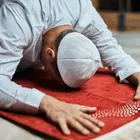
Sawm (Fasting)
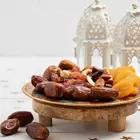
Fasting in the month of Ramadan day and night.
Zakat (The Charity)

to give some of your wealth once a year to the needy.
Hajj (Pilgrimage)
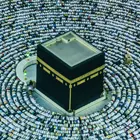
The pilgrimage to Makkah at least once during a lifetime in case he can afford and be physically fit.
These five pillars define how a Muslim relates to Allah as well as the community. Use our elaborate worship guides and put them into action.
Shahada (The Confession of Faith)
Salah (The Prayer)
Sawm (Fasting)
Zakat (Almsgiving)
To give some of your wealth once a year to the needy.
Hajj (Pilgrimage)
Islam vs Muslim | The Difference
Among the most frequently asked questions by beginners is as follows: what is the difference between Islam and a Muslim?
The answer is simple:
- The religion is Islam, or the totality of life grounded on submission to a single God (Allah).
- A person who practices Islam and adheres to the teachings of this religion is a Muslim.
Let us put it into perspective: Islam is the road and a Muslim is the one walking on it.
Key Terms at a Glance
- Islam — The religion of submission to Allah.
- Muslim — A follower of Islam.
- Quran — The holy book of Islam.
- Prophet Muhammad ﷺ — The last messenger of Allah.
- Worship– Devotional acts that consist of prayer, fasting, and charity.
New to these concepts? Being a beginner, we would start with our easy-to-understand articles on Islams Hub.
Muslim vs Christian Faith: A respectful Overview
The issue of Muslim vs Christian faith has to be approached with respect in the course of its exploration. Muslims and Christians share beliefs in God, morality and promoting compassion, however, they have different perceptions of God and revelation.
From an Islamic perspective:
- God (Allah): In the Muslim faith, there is the absolute oneness of God having no partners and a trinity.
- Jesus (Isa ﷺ): Muslims give respect to Jesus as a powerful prophet and messenger, and not as the son of God.
- Scripture: Muslims hold the Quran to be the last revelation of Allah, and the Bible contains the previously found revelations of Allah.
- Salvation: According to Islam, faith and good deeds combine to allow God to have mercy and to go to paradise.
Islam teaches respectful discourse and agreeableness. We would like you to learn more about the teachings of Islam by going through our site.
Who Wrote the Quran? The interpretation of Its Revelation.
The question that is posed by many people is: who is the author of the Quran? Muslims think that the Quran is a verbatim word of Allah which has been revealed to Prophet Muhammad ﷺ via angel Jibril (Gabriel) during the course of about 23 years. It is not a work of any human being.
The revelation was memorized and documented by the companions of Prophet and subsequently he assembled them in the written mushaf (book) that we now possess. The Quran gives direction to all matters of faith, prayer and character, and it is what everything Islams hub educates.
The Muslim Woman: Dignity, Rights and Devotion
The Muslim woman is a respected figure in the Islamic religion. She is as equally before Allah, is entitled to an education, property, and even takes consent in marriage, and plays a crucial role in the life of a family and community.
- Right to education– It is recommended that every Muslim, male and female, seek Islamic knowledge.
- Property and financial independence– A Muslim woman is the owner and manager of her wealth.
- Marital consent— Marriage must be by her consent.
- Equal spiritual reward – The prayers of Her, fasting and good deeds are rewarded as man rewards them.
- Hijab, modesty and worship are not restrictions, but rather displays of faith to Allah.
Relationship between Muslim and Muslim
Islam puts so much importance on the relationship between Muslim and Muslim – a brotherhood and a sisterhood on the principle of compassion, support and mutual faith. Charity is not an optional thing, but it is imbibed in the pillars of Islam in the form of Zakah and voluntary Sadaqah.
This spirit is evident in many Islamic organizations all over the world. Indicatively, the Muslim Hands organization undertakes humanitarian work worldwide. Although Islams Hub is not a charity, because it is an educational site, we would recommend you to donate to reputable humanitarian organizations in the society you live in.
Brotherhood and Sisterhood among Muslims.
- Being kind and merciful to others, even Muslims.
- Helping the poor, orphans and the needy.
- Du’a (praying) on behalf of each other.
- Collaboration in community work and education.
Faq's
Islamic education refers to the study of Quran, Hadith, beliefs and worship, which dictate the life of the Muslim. It also assists people in knowing their religion well and doing it in the right way.
Yes. Whereas local organizations such as an Islamic education center in MD provide face training, sites such as Islams Hub offer flexible online learning, authentic content which you can obtain anywhere.
The religion is Islam and the follower of Islam is the person. This is the easiest to think of the Islam vs Muslim question.
The 5 pillars of Islam are: Shahada, Salah, Zakah, Sawm, and Hajj respectively. They are the pillars of the Muslim worship.
Muslims are of the view that no man wrote Quran. It is the Allah word revealed to Prophet Muhammad ﷺ with the help of the angel Jibril.
Islamic religion honors Christians as the people of the book. Muslims believe in single God and numerous prophets such as Jesus, though they have some disagreements and issues on important theological doctrines such as what and how God is, and what is salvation.
Muslim woman is free to get education, property and spiritual reward. The Islam respects her position in society and family and motivates her to study and be a devout person.